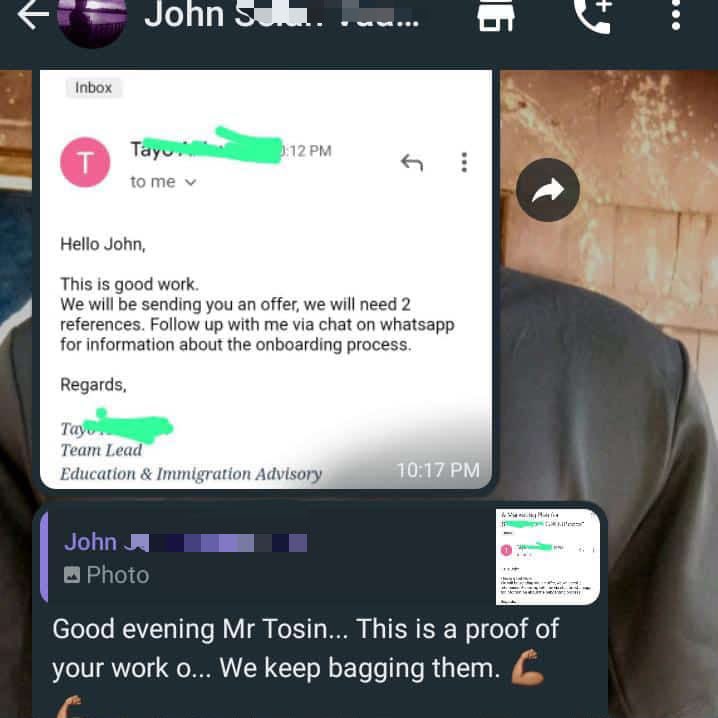
To get a job offer letter, you need to learn the right in-demand skills, apply them through real projects, and position yourself where employers are actively looking. At VAA Global, graduates who follow this approach consistently move from training to employment faster than those who don't. Since 2021, VAA Global has trained over 1,400 students, with more than 405 placed into remote roles.
Getting hired is not luck. It is the result of learning the right skills, taking action, and positioning yourself correctly. Below are five things you can do today to get closer to your own job offer letter.
What Does It Take to Get a Job Offer Letter?
Getting a job offer letter is rarely about sending out the most applications. It is about matching real, demonstrable skills to what employers are actively hiring for, then making yourself easy to find and easy to say yes to. The five steps below cover exactly that, from choosing the right career path to making sure your CV and LinkedIn profile are ready before an opportunity arrives.
- Decide on the career you want
- Upskill and close your skill gaps
- Take your training seriously
- Position yourself for opportunities
- Get your CV, LinkedIn, and portfolio ready
1. Decide on the Career You Want
Clarity is the first step. If you are unsure which direction to go, you cannot prepare effectively. Use VAA Global's free Career Compass tool to identify the right path based on your strengths and interests.
Many people skip this step because they assume any job is fine as long as it pays. However, career clarity is what separates people who get hired quickly from those who apply everywhere and hear nothing back. When you know exactly what role you are targeting, you can tailor your CV, build the right portfolio, and speak confidently in interviews. Employers can tell the difference between someone who chose this career and someone who just needed a job. Use the Career Compass to get specific, then build everything around that direction.
2. Upskill and Close Your Skill Gaps
Learn like your income depends on it, because it does. Employers are not hiring potential alone; they are hiring people with the specific skills to do the job. Browse VAA Global's training programs and choose one that builds exactly what the market is asking for.
According to the World Economic Forum's Future of Jobs Report, the top skills employers will prioritise through 2027 include analytical thinking, creative problem-solving, and digital literacy, all of which are core to VAA Global's curriculum. Similarly, Indeed's Hiring Lab has repeatedly found that remote employers favour candidates who can show applied, project-based skills over those who list qualifications alone. This is exactly why getting a job offer letter depends less on credentials and more on what you can actually do.
3. Take Your Training Seriously
Enrollment is just the beginning. The results come from how seriously you show up.
Attend live classes when you can. Use the recordings when you cannot. Complete all modules, work on your projects, earn your certificate, take advantage of your internship, and get fully ready before opportunities arrive.
The students who get hired are not the most talented. They are the most prepared.
Additionally, the way you show up during training is a preview of how you will show up at work. Employers who hire through VAA Global's talent management system are not just looking at your certificate. They want to know that you are the kind of person who follows through. Students who engage fully, ask questions, submit assignments on time, and take their internship seriously are the ones who stand out when placement opportunities come up. Your reputation as a student becomes your reputation as a professional. Build it now.
4. Position Yourself for Opportunities
When employers send job requests for specific roles, students who match those requirements are considered for direct placement through the VAA Global Talent platform. VAA Global does not guarantee jobs, but it actively creates connections between qualified candidates and employers when the right opportunities come in.
The key word is qualified. Your preparation is what gets you in the room, and how to get a job offer letter ultimately comes down to being ready when that room opens.
5. Get Your CV, LinkedIn, and Portfolio Ready Now
Do not wait for an opportunity before you start preparing. By then, it will be too late.
Have your CV polished, your LinkedIn profile updated, and your portfolio live. Showcase your skills, your projects, and your results. When an opportunity comes, you should be able to apply within hours, not weeks.
Your LinkedIn profile in particular carries more weight than most people realise. Recruiters and remote employers actively search LinkedIn for candidates, and a well-optimised profile with a clear headline, a strong summary, and portfolio links can bring opportunities to you without you having to apply anywhere. Use your VAA Global certificate, your internship experience, and your project work as the foundation. Write your headline around the role you want, not the role you have. And connect with people in your industry consistently, because remote hiring is heavily relationship-driven. The best opportunities often come through people who already know your name.
The Formula Is Simple
Learn the right skills. Build real experience. Prepare yourself thoroughly. Position yourself where opportunities can find you.
Your offer letter could be closer than you think.